



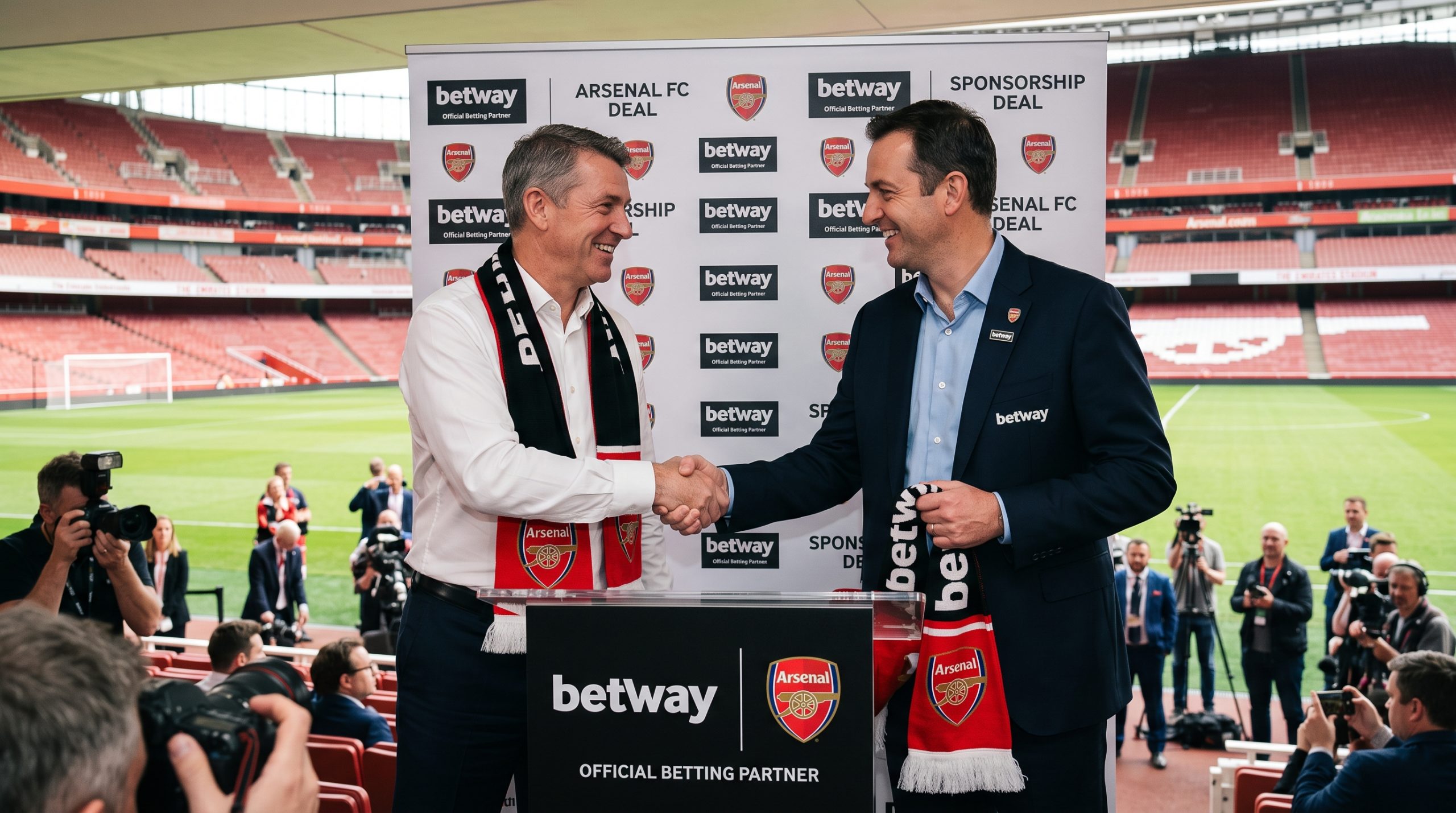
A sports club has confirmed that an operator will take on the role of its official betting partner, extending the growing overlap between professional sport and the wagering sector. The agreement adds another name to a crowded field of commercial tie-ins that now shape matchday branding, digital content, and fan engagement across much of European football. No financial terms have been disclosed by either side.
Deals of this kind rarely arrive in isolation. They reflect a steady recalibration of how clubs fund themselves and how betting firms buy visibility in markets where advertising rules keep tightening.
What the Partnership Signals for Club Revenue
Before the takeaways, a short note on framing: sponsorship announcements are easy to read as routine, but the commercial logic underneath them is anything but. The value here sits less in the logo placement and more in the data, the audience access, and the regulatory risk each party agrees to carry.
- Diversified income: Betting partnerships give clubs a recurring revenue line that is largely insulated from on-pitch results, which matters for budgeting across a multi-season horizon.
- Audience monetisation: The operator gains direct reach into an engaged, demographically attractive fanbase without building that audience from scratch.
- Brand exposure is the headline, but activation rights (content, promotions, matchday assets) are usually where the real negotiation happens.
- Regulatory exposure: Both parties inherit compliance obligations tied to gambling advertising rules in the relevant jurisdiction.
- Reputational weight now travels in both directions, and clubs know it.
Why Betting Sponsorships Keep Multiplying
The appetite is structural, not fashionable. Betting operators compete in a sector where customer acquisition costs climb each year, and sponsorship offers one of the few channels that combines scale with credibility. A club crest lends legitimacy that paid digital ads simply cannot buy.
And while the economics work for operators, they work differently for clubs. For many mid-tier and lower-division sides, a betting partner can represent one of the single largest items on the commercial balance sheet. That dependence is precisely what regulators have started to scrutinise.
What remains less clear is whether the current pace of deal-making survives the next wave of advertising restrictions. In several markets, front-of-shirt gambling branding is already being phased out, and that shift matters because it forces both sides to rethink where value actually sits.
How the Deal Compares Across the Market
Betting sponsorships vary widely in scope. Some cover shirt-front rights; others are regional, digital-only, or built around specific campaigns. The table below outlines the common structures and what each typically delivers.
| Deal Type | Primary Benefit to Club | Primary Benefit to Operator |
|---|---|---|
| Front-of-shirt | Highest fixed fee | Maximum broadcast visibility across every televised fixture, replay, and match report image |
| Official betting partner | Recurring commercial income | Category exclusivity and data access |
| Regional partner | Targeted market reach | Localised customer acquisition |
| Digital/content tie-in | Lower-risk association | Engagement with younger audiences |
The newly confirmed arrangement falls into the official partner category, a structure that favours exclusivity and ongoing activation over a one-off branding splash.
A Regulatory Backdrop That Keeps Shifting
Gambling advertising rules have hardened across several jurisdictions. Operators now navigate restrictions on where, when, and how they can market, from whistle-to-whistle broadcast bans to limits on social media targeting. Compliance is no longer a back-office function. It shapes deal design from the first draft.
Clubs entering these agreements accept a share of that burden. Responsible-gambling messaging, age-gating on promotions, and clear separation between betting content and general fan communication are now standard contractual expectations rather than optional extras. Fans browsing operator platforms such as the one promoted through this club betting partnership and its licensed sportsbook offering encounter those safeguards by design, at least on paper.
Enforcement, though, is uneven. Some regulators act quickly; others move at a pace that rewards operators willing to test the boundaries (a distinction that shapes where the aggressive marketing tends to land).
The Fan Dimension Nobody Fully Prices In
Supporters are not a neutral backdrop to these deals. Their trust is part of what the operator is buying, and it can erode fast if a partnership feels extractive rather than additive.
Clubs that treat betting sponsors as pure revenue, with no thought to how fans experience the association, tend to invite friction. The smarter arrangements build in genuine value for supporters: exclusive content, fairer promotions, transparent responsible-gambling tools. The difference between a durable partnership and a disposable one often comes down to that single choice.
Which raises a harder question for every club signing these deals right now.
What Comes Next for the Agreement
Activation is the real test. Announcements generate a news cycle; sustained engagement determines whether the partnership delivers on its commercial promise. Expect the usual rollout: branded digital content, matchday integration, and targeted promotions aimed at converting attention into registered accounts.
The precedent set by deals like this gives both clubs and operators a template they have already shown appetite to repeat. Each new agreement normalises the next, even as the regulatory ceiling slowly descends.
Frequently Asked Questions
What does an official betting partner actually do?
An official betting partner gains category exclusivity and marketing rights in exchange for a fee. In practice, that usually includes branding, promotional activity, and access to club audiences, bundled with responsible-gambling obligations.
Are betting sponsorships legal in professional sport?
Yes, where the operator holds the appropriate licence for the relevant market and complies with local advertising rules. Requirements differ sharply by jurisdiction, and several regions are tightening them.
Why do clubs rely so heavily on betting money?
Because it pays well and pays reliably. For many clubs outside the elite tier, a betting partner is among the most valuable commercial relationships available.
Could advertising restrictions end these deals?
Restrictions are reshaping rather than ending them. Front-of-shirt bans in some markets push operators toward regional, digital, and official-partner structures that stay within the rules.