


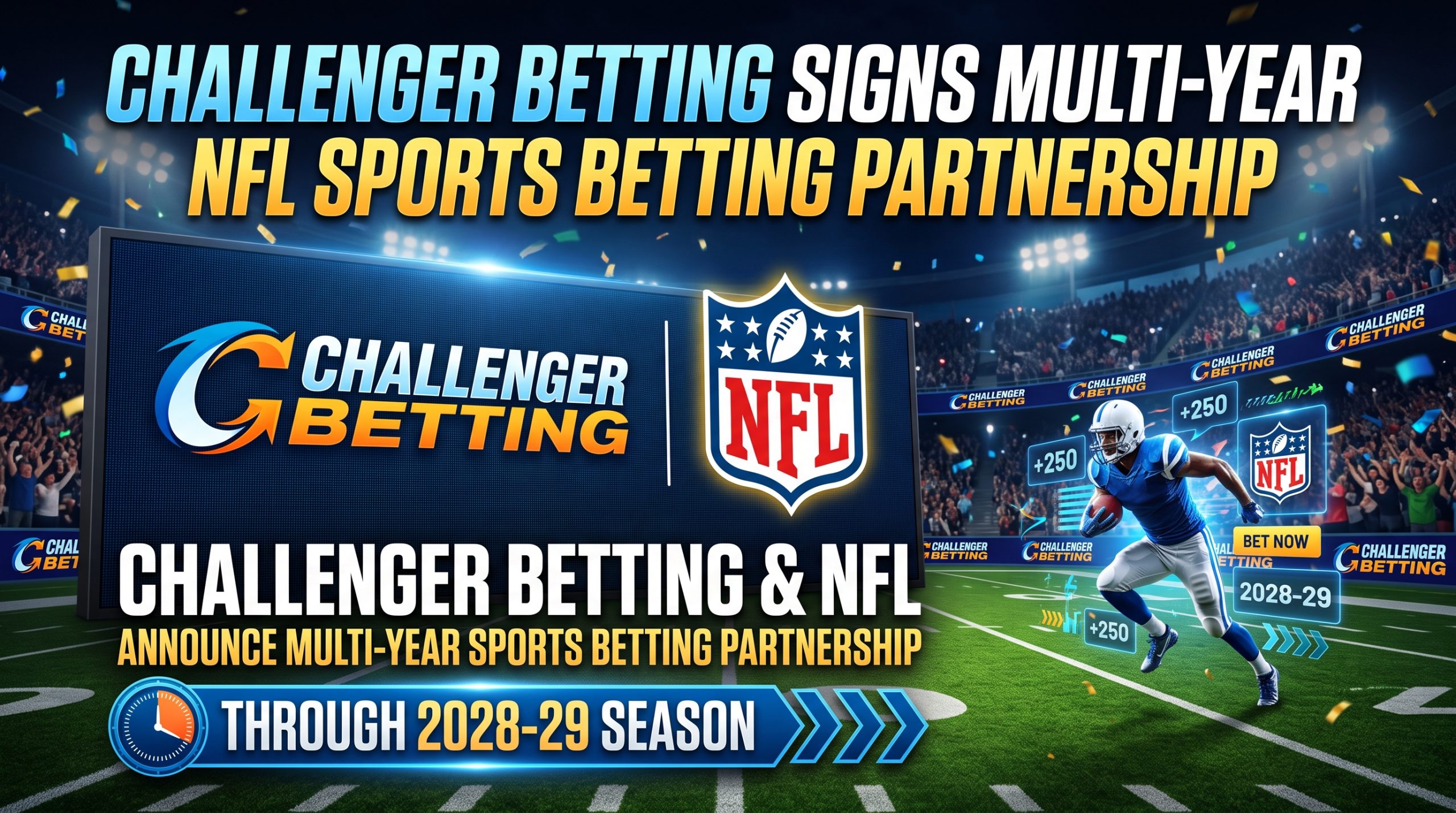
A challenger sports betting brand has been named an official sports betting partner of the American football league, under a deal that runs through the end of the 2028-29 season. The agreement positions a smaller operator alongside the established names already embedded in professional football, and it signals that the league’s commercial appetite for betting partnerships has not cooled. For a sector where scale usually decides who gets access, that is a notable opening.
The partnership gives the brand official status and the marketing rights that come with it. What it does not do, at least on paper, is guarantee the kind of mass reach the category leaders already enjoy.
What the Deal Means for a Crowded Betting Market
Before the specifics, the strategic shape of this agreement matters more than its length. A multi-year term through 2028-29 buys something money alone rarely secures: time to build recognition inside the most-watched sport in the country.
- Official status unlocks brand association. Being named an official partner lets the operator use league marks in advertising, a privilege that separates sanctioned brands from the wider field of licensed bookmakers competing for the same bettors.
- A four-season runway gives the challenger room to grow awareness rather than chase quarterly spikes.
- Market access without the top-tier price tag. Challenger brands typically negotiate narrower rights than exclusive flagship sponsors, which can mean a lower entry cost and a sharper focus on specific activations.
- The timing matters because legal sports wagering continues to expand across new jurisdictions, widening the addressable audience the partner can reach.
Why the League Keeps Expanding Its Betting Roster
Professional football has moved from cautious distance to active commercial embrace of betting over the past several years. The league maintains a tiered structure of official gaming and betting partners, and adding a challenger brand fits a pattern of broadening the roster rather than concentrating it. That shift matters because it spreads sponsorship revenue across more operators while giving fans more sanctioned options.
And there is a defensive logic here too. Every official partnership comes with integrity provisions, data-sharing arrangements, and advertising standards that unlicensed operators simply do not follow. By widening the circle of sanctioned brands, the league arguably pulls more wagering activity into a monitored environment. (Not everyone in the integrity community is convinced that more partners automatically means tighter oversight.)
The operator, for its part, gets the one asset it cannot build alone: credibility by association with the sport’s governing body.
A Challenger Strategy in a League of Giants
The betting category in American sports is dominated by a handful of operators with enormous marketing budgets. Breaking into that conversation is hard. A league partnership is one of the few levers that lets a smaller brand punch above its media spend, borrowing trust from an institution bettors already follow every week.
Consider what the challenger is actually buying. Not reach for its own sake, but reach wrapped in legitimacy. A banner during a nationally televised game reads differently when the brand carries official status, and that distinction is precisely what the agreement sells.
Still, the harder question is whether association converts to acquisition. Sponsorship builds familiarity; it does not automatically move a bettor from a market leader’s app to a newer one. The brands that win this phase will be the ones that pair the league association with product differentiation, competitive odds, and retention mechanics that keep users after the first sign-up offer expires. You can learn more about official NFL partnerships and the teams behind them and how the league structures its commercial tiers.
Commercial and Regulatory Implications
Each new betting partnership lands inside a regulatory environment that keeps tightening. Advertising rules, responsible-gambling messaging, and data-integrity obligations now attach to official status in ways they did not a few years ago. A four-year commitment means the partner has to plan around regulatory shifts it cannot yet see.
| Dimension | Implication |
|---|---|
| Term length | Runs through the end of the 2028-29 season, giving roughly four seasons of brand-building runway |
| Partner profile | Challenger brand, competing against far larger incumbents with established market share and bigger media budgets |
| Rights secured | Official sports betting partner status, enabling use of league association in marketing and activations |
| Competitive stakes | Access to the most-watched sport in the US market, a decisive channel for customer acquisition |
The financial terms have not been disclosed. For investors and competitors watching the category, the more telling detail is structural: the league continues to sign partners, and the door is not closed to smaller players willing to commit for multiple years.
What Happens Next
Execution decides the outcome. A signed partnership is a starting line, not a finish, and the brand now has to translate official status into measurable acquisition and retention across four seasons. Expect activation campaigns timed to the season calendar, and expect rivals to watch closely for any sign the challenger is gaining ground.
The precedent is worth holding onto. If a smaller operator can turn a league partnership into real market share, more challengers will pursue the same route, and the economics of official status could shift for everyone.
Frequently Asked Questions
How long does the partnership last?
The agreement runs until the end of the 2028-29 season, giving the brand roughly four seasons of official partner status.
What does “official sports betting partner” actually give the brand?
Official status grants the right to associate with the league in marketing and activations, a form of sanctioned credibility that licensed operators without such a deal cannot claim. In practice, that association is often the most valuable part of the agreement.
Why would the league sign a challenger instead of only large operators?
Broadening the partner roster spreads sponsorship revenue, gives fans more sanctioned options, and pulls more wagering activity into a monitored environment with integrity and advertising obligations attached.
Were the financial terms disclosed?
No official figure has been released.
Does a league deal guarantee the brand will gain market share?
No. Association builds awareness, but converting that into active bettors depends on product, odds, and retention, not sponsorship alone.